CLICK TO LEARN MORE
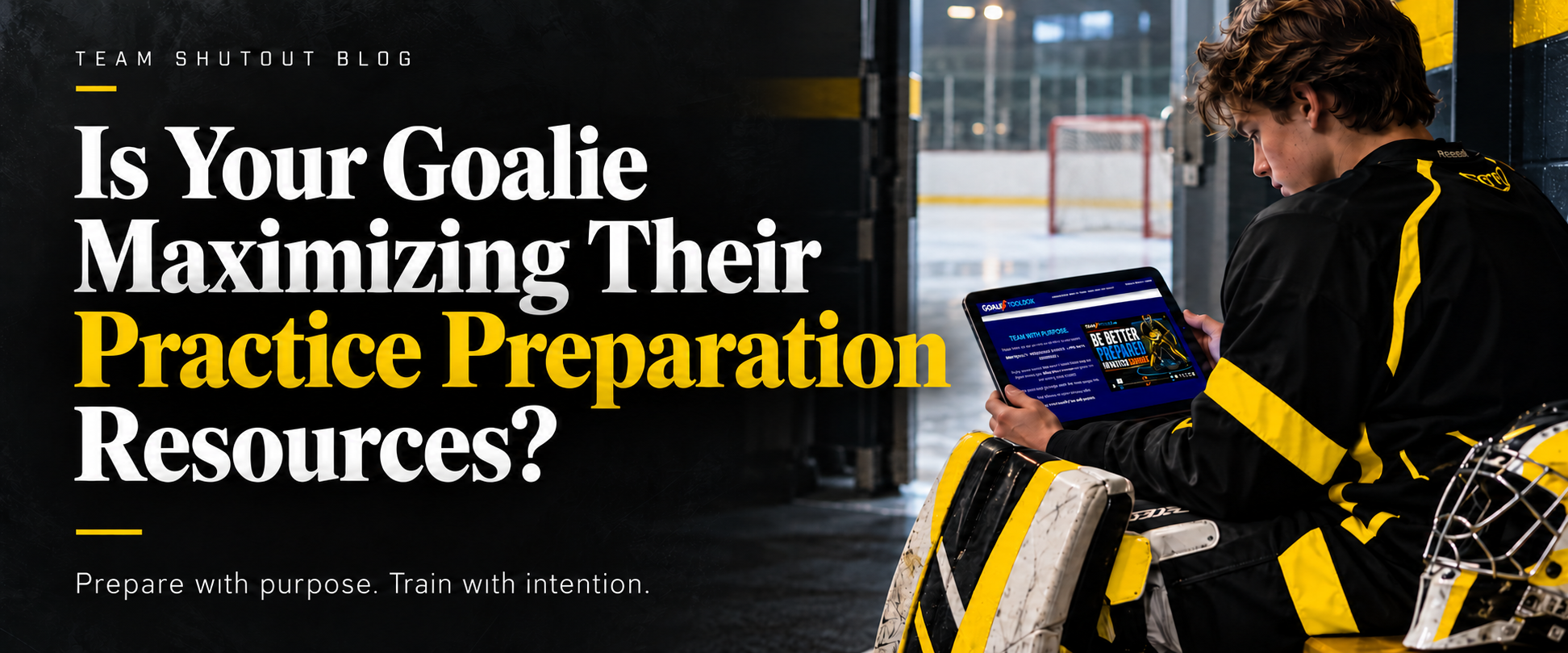
Your goalie’s development starts before they hit the ice, and without preparation, they could be missing a valuable part of their training.
I often work with young goalies who are engaged, willing to learn and eager to execute the skills in a drill. They listen, work hard and try to apply feedback. Yet they struggle because they haven’t developed a clear mental blueprint of the movement they are being asked to perform.
They want to execute the skill, but they are still figuring out how the pieces fit together.
This is where the Goalie Toolbox (GTB) preparation resources can make a meaningful difference. Reviewing the resources and mentally rehearsing the movements helps goalies build an understanding of what correct execution should look and feel like before stepping onto the ice.
The on-ice session is where the goalie puts that understanding into practice. Preparation gives the athlete a starting point: a mental blueprint of the skill’s foundational form and functional technique. They can then use coaching feedback and physical repetitions to develop, assess and refine their execution.
When goalies have a clearer picture of what they are trying to do, they have something specific to work toward—and something to compare each repetition against.
- Arrive Prepared to Apply the Learning
GTB preparation resources introduce the techniques, movement patterns and awareness points goalies will practice during their session.
Reviewing them beforehand helps athletes understand the objective, follow demonstrations and connect their coach’s instructions to something they have already mentally explored.
Goalies don’t need to arrive having mastered the skill. They do need to arrive ready to learn, ask questions and apply what they have prepared.
- Do More Than Watch—Mentally Rehearse
Watching a video is a starting point. Preparation requires the athlete’s attention and involvement.
Goalies should find a quiet space, watch with purpose and pause to picture themselves performing the movement. They can imagine the sequence and how their body should move through it.
Athletes can ask themselves:
- What initiates the movement?
- Where should my hands, hips and feet be?
- What needs to move, and what should remain controlled?
- How should I finish the movement?
- What should correct execution feel like?
The goal is to create a clear mental blueprint that the goalie can begin applying on the ice.
- Give Every Repetition a Purpose
Preparation helps goalies choose a specific focus for each repetition. Instead of simply trying to complete the drill, they can work toward improving an identifiable part of the skill.
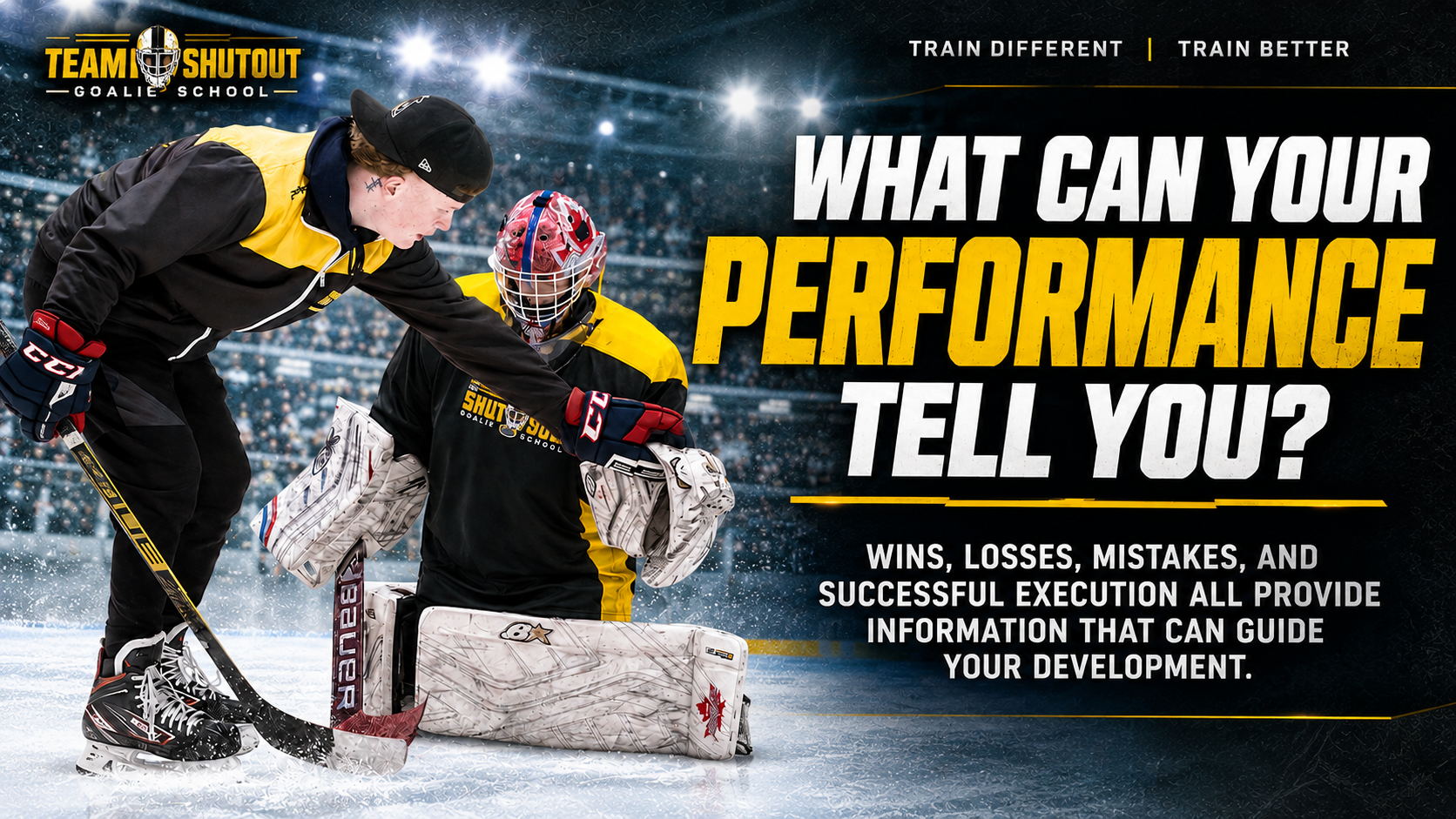
After a rep, the athlete can ask: What matched my intention? What needs to change on the next attempt?
The coach helps the goalie recognize and correct mistakes. Developing their own awareness helps the athlete take a more active role in that process.
The message for every goalie: Don’t simply go through the motions. Train with a clear intention.
- Make the Time Between Coached Repetitions Count
A goalie’s development continues during active recovery and observation.
Athletes can use assigned independent practice to reinforce a movement or correction. When observing another goalie, they can watch for the awareness points they reviewed at home, listen to the feedback and consider whether it applies to their own execution.
Preparation gives goalies something specific to practise, observe and assess—even when they are not receiving direct instruction.
- Revisit, Reflect and Refine
Goalies should revisit their GTB resources after training, ideally allowing some time to reflect—for example, the following day. A movement that seemed clear during preparation may have felt more challenging to execute on the ice.
If video of their training is available, they can use it as a feedback tool, comparing their execution with the movement demonstrated in the resource.
Reviewing with the benefit of on-ice experience helps athletes recognize the details with greater awareness. They can identify what improved, what remains challenging and what questions to bring to their coach.
This is the GTB learning process in action:
Learn → Visualize → Map → Execute → Refine
Each step connects preparation to practice and gives the goalie’s next session a clearer direction.
Take an Active Role in Preparation
The coach guides development. Preparation helps the goalie take an active role in their own progress.
When goalies attend training without using their GTB resources, they leave a valuable part of the TSO Training System unused.
Before their next session, goalies should review the week’s Lesson Plan Preview, including the drills and recommended resources. They can also identify technical skills within the lesson that need extra attention and explore related GTB resources. Choosing one or two awareness points gives them a clear focus to bring onto the ice.
Making preparation part of the training routine helps athletes get more from every session.
Prepare with purpose. Train with intention. Let performance follow.
***
CLICK THIS LINK TO FIND OUT MORE ABOUT THE GOALIE TOOLBOX PRACTICE RESOURCES
Not a Goalie Toolbox member yet?
Unlock elite goalie training tools and resources today with these special offers.
FREE 1-Year Goalie Toolbox Membership
when you register for any Cycle Clinic or Camp at one of our locations.
Training From Home?
Can’t attend in person?
Sign up for a Goalie Toolbox Online Membership and get 50% OFF using promo code:
GTBYEAR1
Send me an email at [email protected] with any questions about our programs!
ScotiaBank: 905-860-1111 ext 2